Table of Contents
The prostate does not exist in isolation from the rest of your body. Like every organ, it is influenced by what you eat, how you move, and how well you manage inflammation. The field of nutritional urology has grown substantially over the past two decades, and the evidence now points clearly in one direction: what you put on your plate genuinely matters for prostate health.
This does not mean that food alone can resolve prostate conditions or that a single superfood will solve everything. What it does mean is that consistently eating a diet rich in specific nutrients and plant compounds can meaningfully support a healthy prostate and reduce the factors that contribute to enlargement and discomfort over time.
Why Diet Matters for Prostate Health
The prostate is particularly sensitive to hormonal fluctuations, oxidative stress, and inflammation -- all of which are influenced by dietary patterns. Population studies consistently show that men in countries with traditional plant-rich diets (such as Japan and Mediterranean countries) have lower rates of prostate health challenges compared to men in countries with diets high in processed foods, red meat, and saturated fat.
Specific nutrients that appear most relevant to prostate health include lycopene, zinc, selenium, omega-3 fatty acids, polyphenols, and cruciferous vegetable compounds such as sulforaphane. Let's look at the top food sources for each.
1. Tomatoes and Lycopene
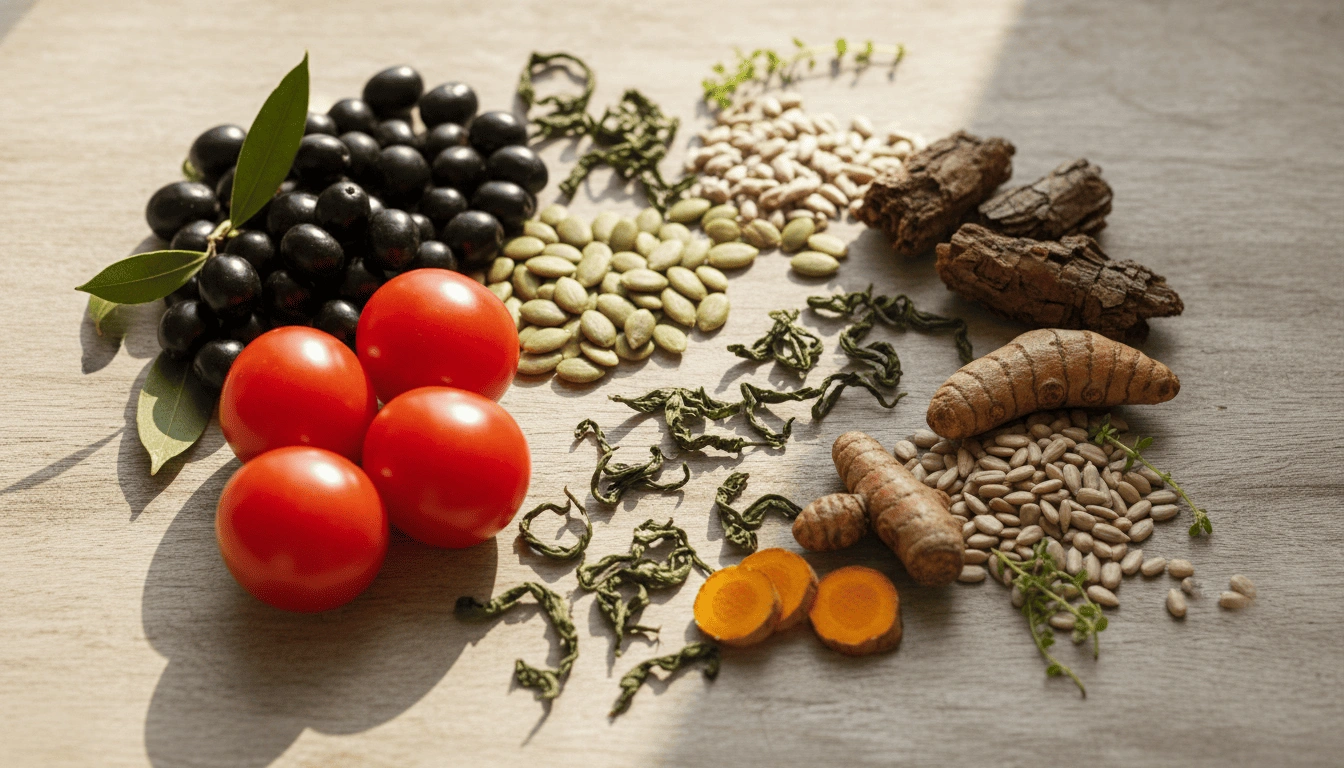
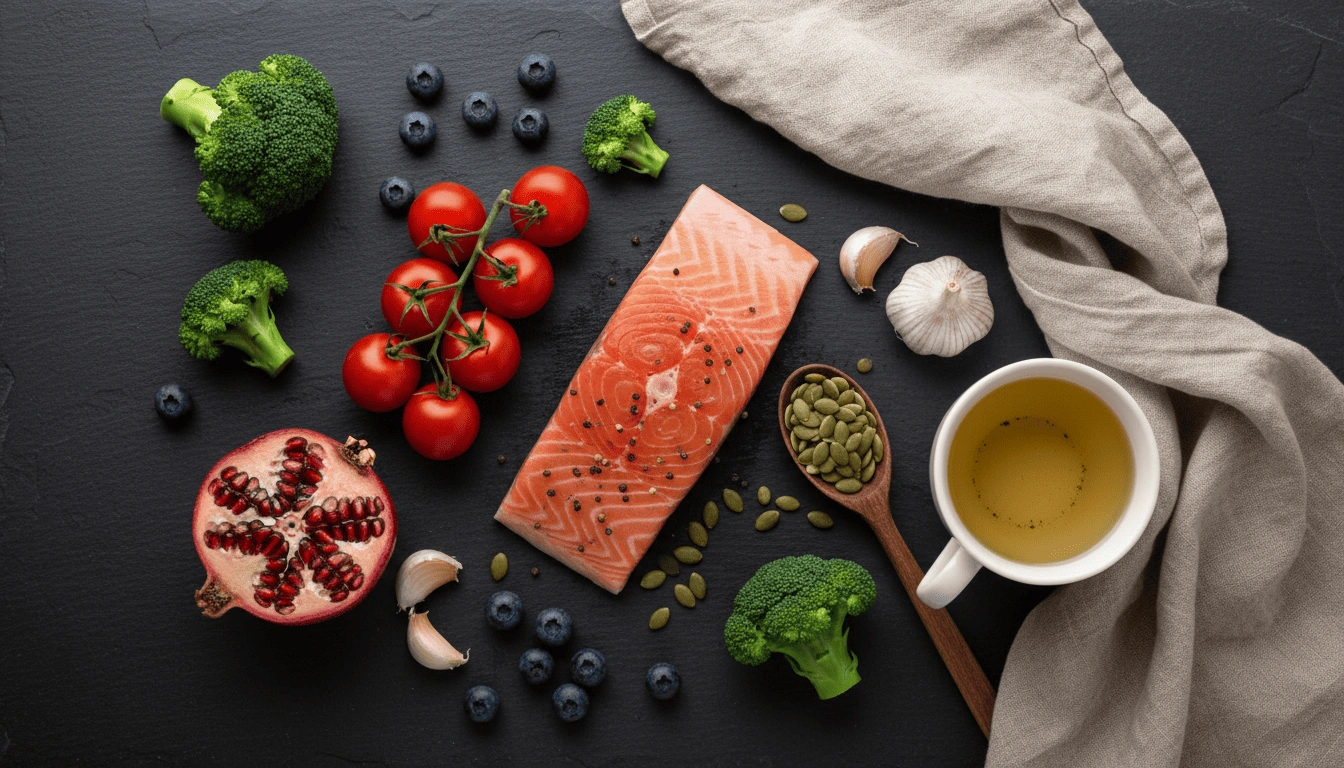
Tomatoes are the richest dietary source of lycopene, a powerful carotenoid antioxidant that accumulates preferentially in prostate tissue. Multiple epidemiological studies have linked higher lycopene intake with better prostate health markers. Importantly, cooked tomatoes deliver more bioavailable lycopene than raw ones -- tomato sauce, paste, and cooked dishes are excellent choices.
Other lycopene-rich foods include watermelon, pink grapefruit, papaya, and guava. Consuming lycopene with a small amount of fat (such as olive oil) further enhances absorption.
2. Cruciferous Vegetables
Broccoli, cauliflower, Brussels sprouts, cabbage, and kale contain sulforaphane and indole-3-carbinol -- compounds that laboratory research suggests may support healthy cell cycle regulation. Population data shows men who eat cruciferous vegetables several times per week tend to have better prostate health outcomes. Aim for at least three to four servings per week.
3. Pumpkin Seeds
Pumpkin seeds are one of the richest plant sources of zinc, a mineral the prostate contains in higher concentrations than any other soft tissue in the body. Zinc plays a role in regulating cell growth, hormone metabolism, and immune function within the prostate. Pumpkin seeds also contain phytosterols -- plant-based compounds structurally similar to cholesterol that may support urinary flow.
A small handful (about 28 grams) of pumpkin seeds daily provides a meaningful zinc boost alongside healthy fats and magnesium.
4. Green Tea
Green tea contains epigallocatechin gallate (EGCG), one of the most studied polyphenol antioxidants in prostate health research. Laboratory studies suggest EGCG may help modulate prostate cell proliferation and reduce inflammatory markers. Japanese men, who consume green tea in large quantities, historically have had among the lowest rates of prostate health issues in the world.
Three to four cups of green tea per day provides a meaningful dose of EGCG. Matcha powder provides an even more concentrated source.
5. Fatty Fish
Salmon, sardines, mackerel, herring, and trout are rich in long-chain omega-3 fatty acids (EPA and DHA). Omega-3s are potent anti-inflammatory compounds, and chronic low-grade inflammation is a key driver of prostate enlargement and urinary symptoms. Research suggests that men who eat fatty fish two to three times per week may have better prostate health outcomes compared to those who rarely eat fish.
6. Berries
Blueberries, strawberries, raspberries, and blackberries are packed with anthocyanins and other polyphenols that have demonstrated anti-inflammatory and antioxidant effects in research settings. Berries also support cardiovascular health and blood sugar regulation -- both indirectly relevant to prostate and urinary health.
7. Pomegranate
Pomegranate juice and extract have attracted significant research interest in the context of men's health. Pomegranates contain ellagitannins -- compounds that are converted by gut bacteria into urolithins, which have been studied for their role in supporting prostate cell health. The unique antioxidant profile of pomegranate makes it one of the more promising foods in this category.
8. Walnuts
Walnuts provide plant-based omega-3 fatty acids (alpha-linolenic acid), gamma-tocopherol (a form of vitamin E with specific antioxidant properties), and phytosterols. Several studies have examined walnuts in the context of men's health, with generally positive findings regarding markers of oxidative stress and inflammation. A daily handful of walnuts is an easy addition to any diet.
9. Turmeric
Curcumin, the active compound in turmeric, is one of the most extensively studied natural anti-inflammatory agents. While absorption of curcumin from food is limited, consuming turmeric with black pepper (which contains piperine, a bioavailability enhancer) can increase its effectiveness. Turmeric can be added to soups, curries, scrambled eggs, and smoothies for a daily anti-inflammatory boost.
10. Whole Grains
Oats, brown rice, quinoa, barley, and whole wheat provide dietary fiber that supports gut health, hormonal balance, and a healthy weight -- all of which are relevant to prostate health. Men who consume more dietary fiber tend to have lower levels of systemic inflammation. Replacing refined carbohydrates with whole grains is one of the highest-impact dietary changes most men can make.
Putting It All Together
Rather than overhauling your entire diet overnight, try incorporating one or two of these foods each week until they become routine. A practical starting point:
- Add cooked tomatoes to pasta, soups, or eggs several times per week
- Steam or roast broccoli as a regular side dish
- Swap your usual snack for a handful of pumpkin seeds and walnuts
- Replace one cup of coffee with green tea in the afternoon
- Include fatty fish at dinner at least twice a week
Diet works best as part of a comprehensive approach. If you are looking for additional targeted support, a supplement like Protaflo -- which contains zinc-rich pumpkin seed extract, lycopene, and other prostate-supportive ingredients -- can complement a prostate-healthy dietary pattern.
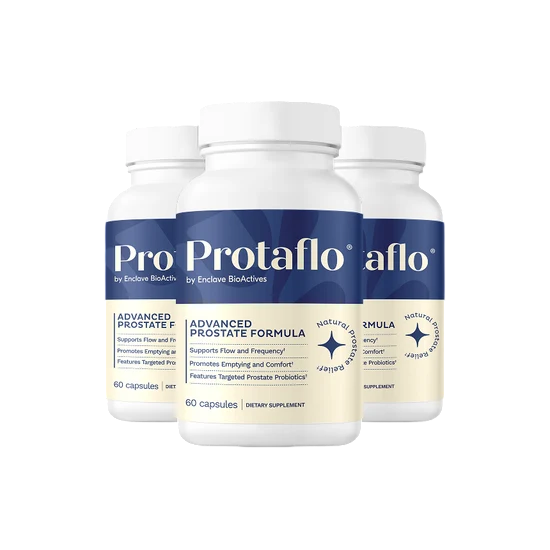
Complement Your Prostate-Healthy Diet with Protaflo
Protaflo delivers Saw Palmetto, Pygeum, Lycopene, Zinc, and more in one convenient daily formula -- the perfect complement to a prostate-supportive lifestyle.
Try Protaflo -- Limited Time Offer*These statements have not been evaluated by the FDA. Not intended to diagnose, treat, cure, or prevent any disease.
Frequently Asked Questions
Related Articles

Foods That May Affect Prostate Health